Web Application Firewall
🌐 Protect Applications. Block Attacks. Stay Online.
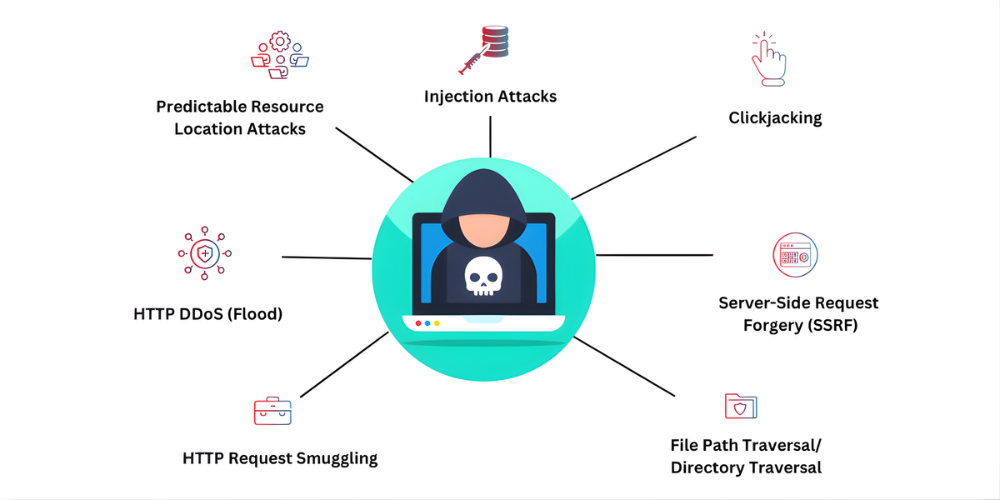
Web applications are exposed to threats like SQL injection, cross-site scripting (XSS), and DDoS attacks, making them a prime target for hackers. A Web Application Firewall (WAF) acts as a security shield, filtering malicious traffic and ensuring only safe requests reach your application. Today, businesses cannot afford to run web services without intelligent WAF protection.
Protect Web Applications, Defend Against Every Attack
Threat Protection
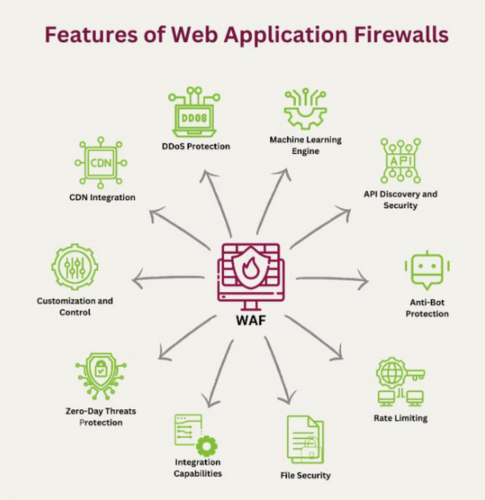
SQL Injection & XSS Prevention, Bot & DDoS Mitigation, and Zero-Day Exploit Protection to block malicious attacks targeting web applications.
Data & Application Security
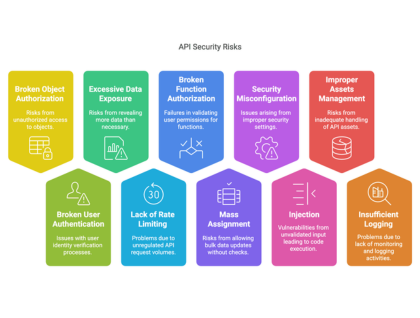
OWASP Top 10 Protection, API Security, and Sensitive Data Protection to safeguard applications and confidential information.
Access & Policy Control
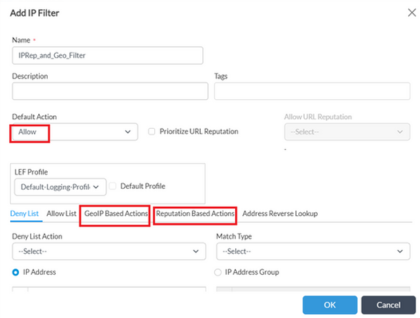
Custom Security Rules, Geo-Blocking & IP Reputation Filtering, and User Access Control to enforce application-level security policies.
Monitoring & Management
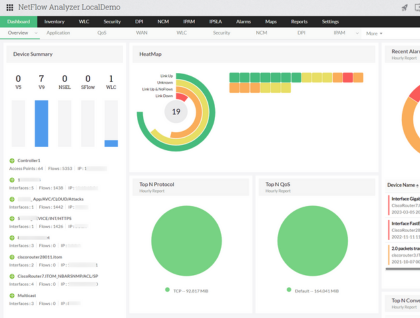
Real-Time Traffic Monitoring, Logging & Reporting, and Centralized Management & Analytics for visibility, compliance, and threat intelligence.
HOW WE DO
We go beyond basic filtering. Amlak’s WAF approach delivers smart application-layer protection with real-time visibility and adaptive policies. With seamless integration across platforms, we ensure your applications stay secure and available.
Apply custom security policies per application
Defend against volumetric and layer 7 attacks
Detect and stop bots, crawlers, and automated abuse
Integrate WAF with cloud, on-premise, and hybrid setups
PRODUCTS WE SUPPORT
We work with leading WAF platforms:
WHY IT MATTERS
Unsecured web applications are one of the fastest ways attackers gain access to business systems. Without WAF:
Hackers can exploit vulnerabilities and extract sensitive data
DDoS attacks may disrupt service availability and revenue
Malicious bots can impact performance and analytics accuracy
Compliance with PCI DSS, GDPR, and security standards may fail
🌐 At Amlak, we implement modern WAF solutions to ensure your web applications remain secure, compliant, and always online.
FREQUENTLY ASKED QUESTIONS
What is a WAF?
A Web Application Firewall inspects incoming traffic to your website or web applications and blocks malicious requests before they reach the server.
Do I still need a WAF if I already have a firewall?
Yes. A traditional firewall protects your network, while a WAF protects your web applications from attacks like SQL injection, XSS, and malicious HTTP requests that a network firewall cannot detect.
Can WAF help stop DDoS attacks?
Yes, modern WAF solutions include bot filtering and rate-limiting features that help reduce the impact of application-layer (Layer 7) DDoS attacks and keep your website online.
Is WAF necessary for PCI DSS compliance?
Yes. PCI DSS Requirement 6.6 mandates either code reviews or implementing a WAF to protect web-facing applications. Using a WAF helps meet compliance quickly and efficiently.
Can WAF be deployed in the cloud?
Yes. WAF solutions are available as cloud-based, on-premise, and hybrid deployments, making it easy to secure applications hosted on AWS, Azure, Google Cloud, or private servers.